Updated September 2026
A water damage mold assessment in Newark, NJ maps every wet material after a flood, leak or backup with meters and thermal imaging, checks for early growth, classifies the water, and writes a scope of what to dry, what to remove and what to watch. Mold can begin within 24 to 48 hours of water exposure, so the visit comes first.
Why assess before anything is torn out
After water damage, people tend to either tear out too much or dry too little. Readings settle it. Materials that are wet but clean-water soaked and caught early can often be dried in place; materials that took contaminated water, or stayed wet too long, usually cannot.
We classify the water, map how far it traveled inside walls and under floors, and check for any growth already starting. The scope then goes to our drying crew or to whoever you choose.
How the assessment runs
Call any hour
Tell us the source and how long ago.
Stop more water
We tell you what to shut off first.
Classify the water
Clean, gray or contaminated.
Map the moisture
Floors, walls, ceilings and cavities.
Check for growth
Early mold on materials and contents.
Photograph everything
Before anything is moved.
Write the scope
Dry, remove or watch, area by area.
How quickly to book it
Book it as soon as the water stops. Mold can begin within 24 to 48 hours of water exposure, so an assessment on the first or second day often keeps a drying job from becoming a removal job.
The visit usually takes a few hours, and the scope is ready the same day so drying can start.
After a basement flood
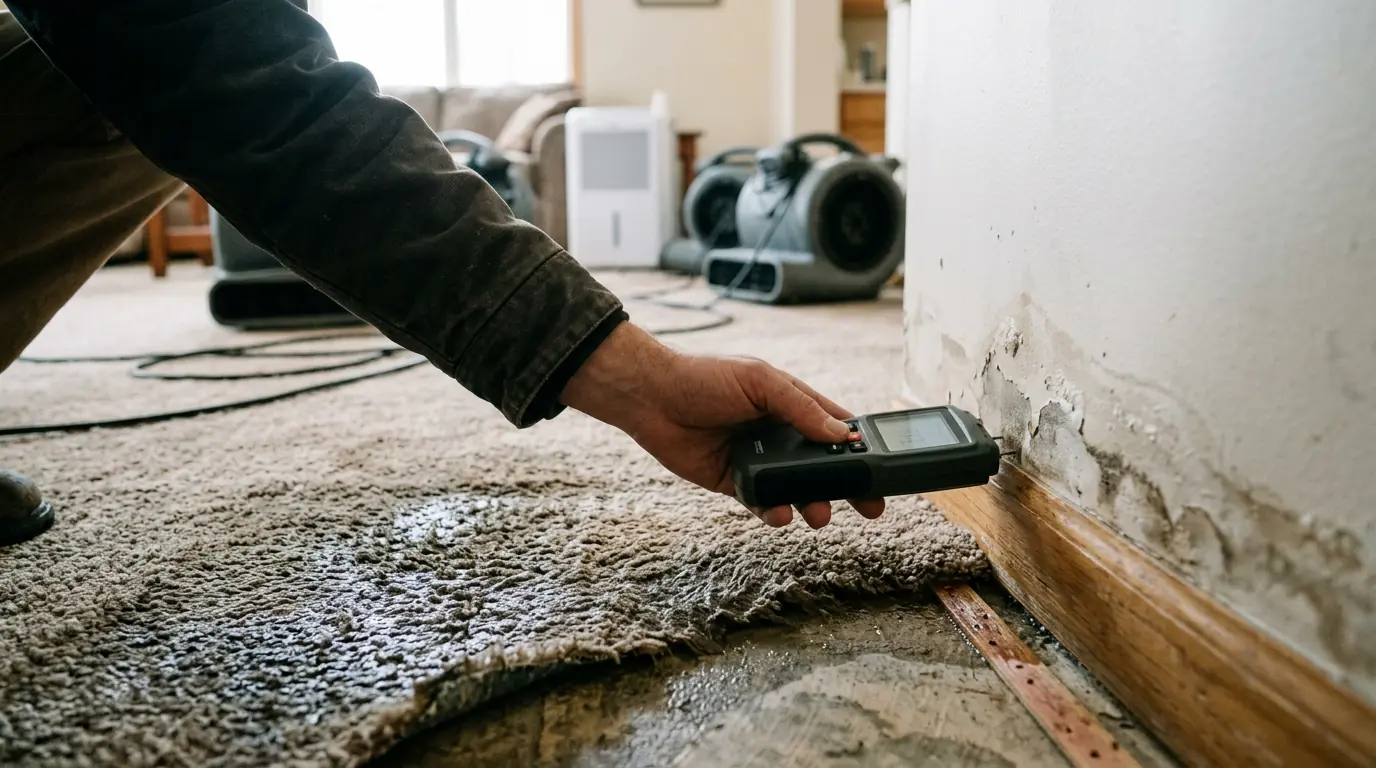
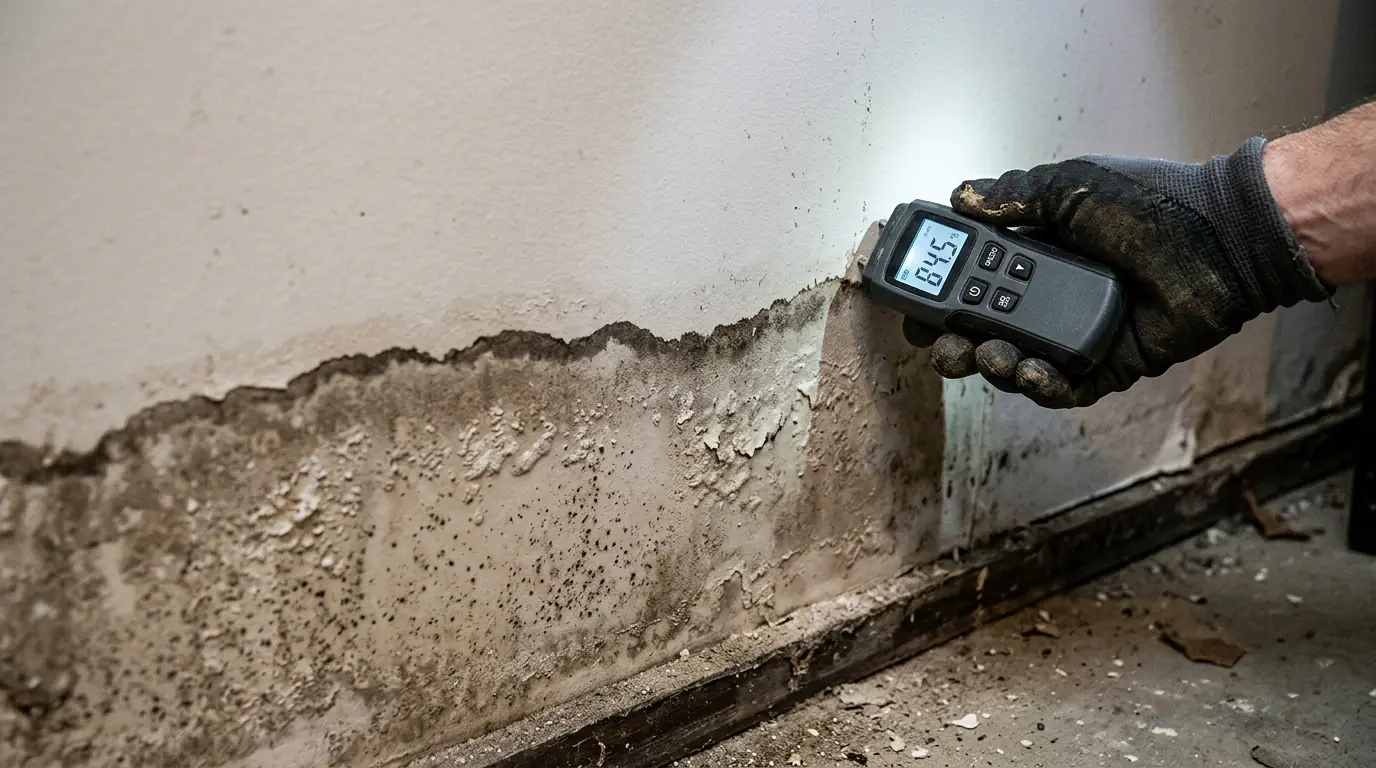
Floodwater from outside is treated as contaminated. We measure how high it reached on the walls, read the drywall and framing above the line, check under flooring and inside wall cavities, and note what the water touched. Carpet and pad from a flood are almost always removed; the question is how high the drywall cut needs to be and whether insulation got wet. The scope sets that line from readings, so nothing wet is closed up behind a new wall.
After a pipe or appliance leak
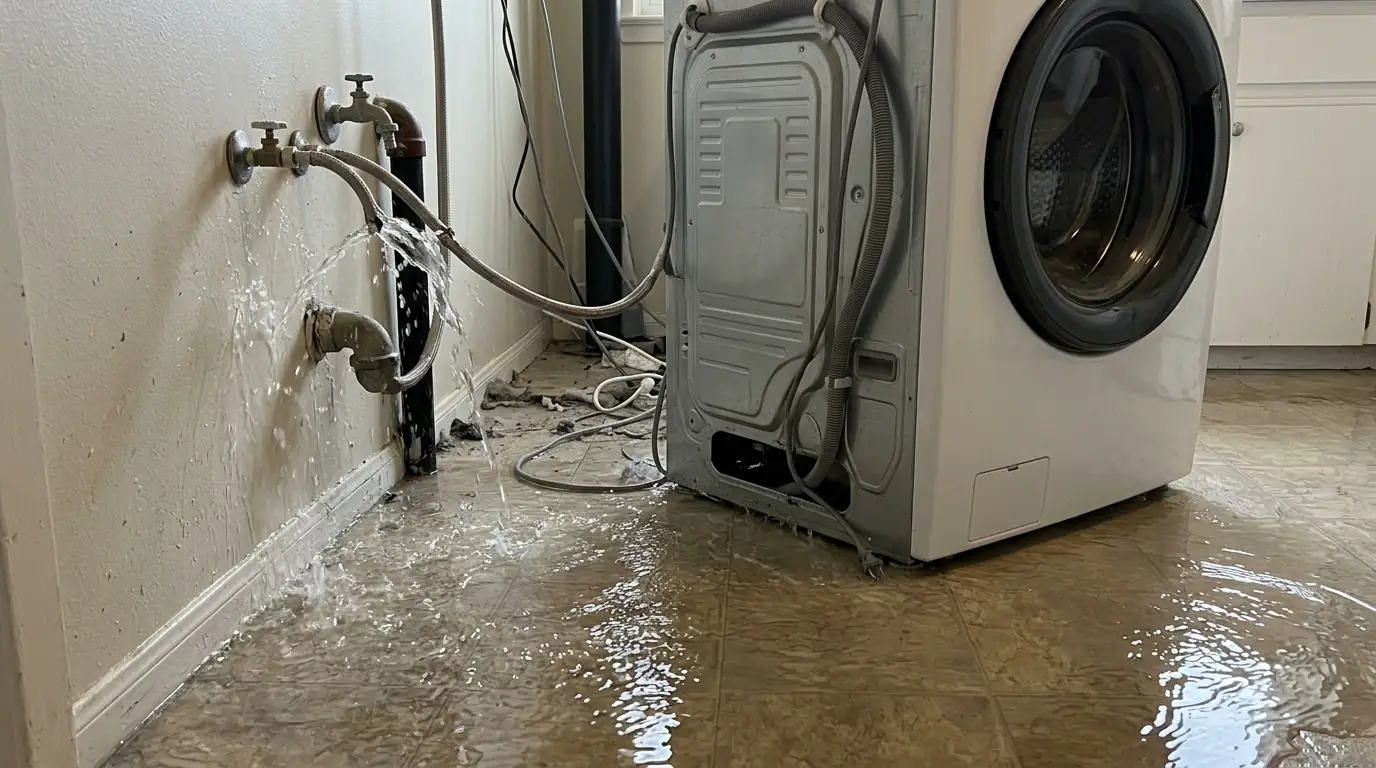
Clean-water leaks caught early are the easiest case. Water from a supply line or a washer usually spreads under flooring and along the bottom of walls. We map the wet area with a thermal camera and meters, including the ceiling below if the leak was upstairs. If drying starts quickly, most materials can stay. If the leak ran for days or went unnoticed, the water is treated as dirtier and more has to be removed, and we say exactly which materials and why.
After a roof or ceiling leak
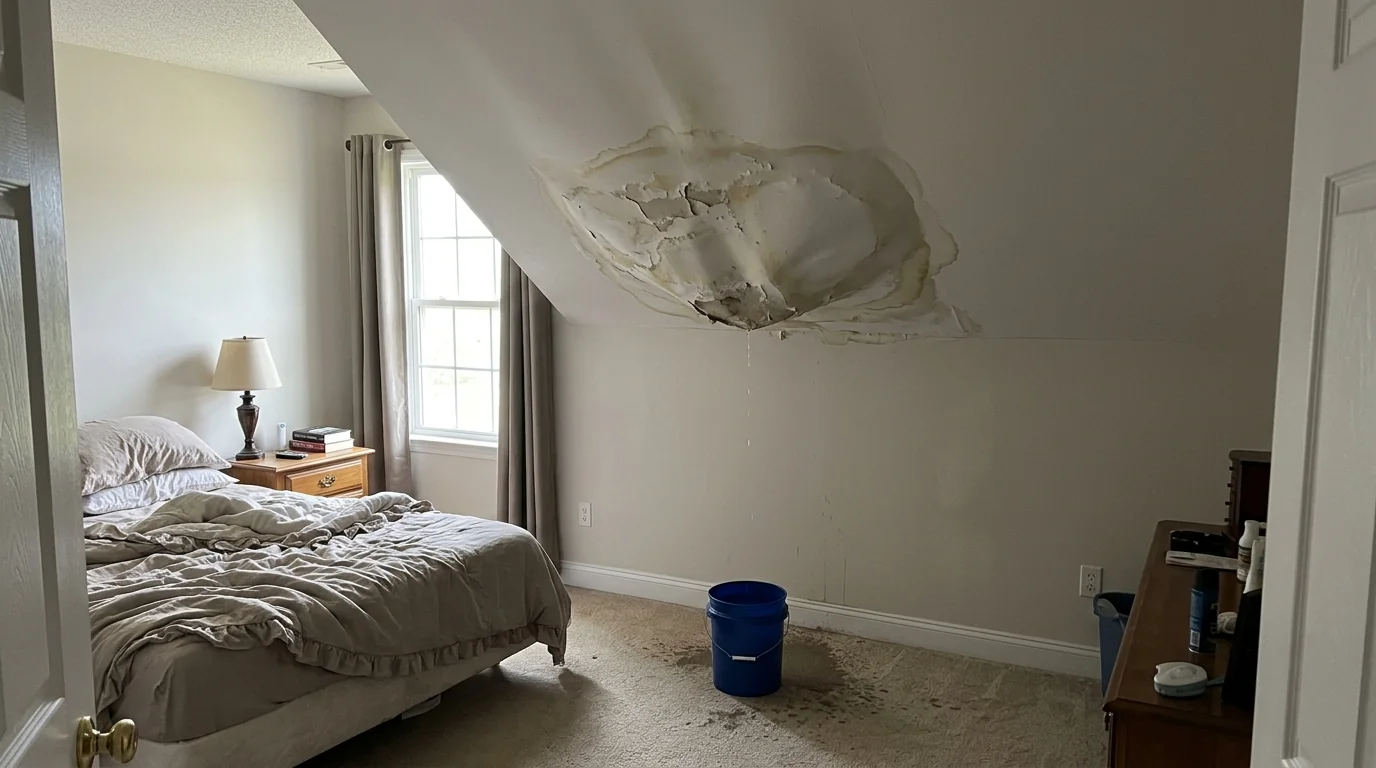
Roof and ceiling leaks soak insulation and drywall from above, and water travels along joists before it shows. We read the ceiling across the stained area and beyond, check the attic side where we can reach it, and look for wet insulation that will hold moisture against the drywall for weeks. Wet insulation almost always comes out. Drywall that sagged or stayed wet is replaced; small, quickly dried stains often are not, and we tell you which is which before anyone starts cutting.
After a sewer backup
A sewer backup is Category 3 from the start, so the assessment is about extent, not whether to remove. We record how far the water spread, how high it wicked up the walls, and which contents it touched, then write a scope for extraction, porous material removal and disinfection. The report is also the record your insurer will ask for, so we photograph everything before anything is moved, and note the time and the likely cause of the backup in the report.
Passaic River flooding upstream of Newark
The NWS gauge on the Passaic River at Little Falls has a flood stage of 7 feet and has recorded 63 floods since 1903, and in a December 2023 storm the river crested over 10 feet at Paterson, with water in basements and streets in Paterson, Fairfield and Wayne. When the Passaic River rises, we expect river water, which is contaminated, in the basements we assess, and the scope follows that standard.
What the assessment report includes
- Water category and likely source
- Moisture map of floors, walls and ceilings
- Water line height where it applies
- Early growth found, or confirmed absent
- Materials to dry in place versus remove
- Photos of every affected area and contents
- A drying and removal scope with priorities
What an assessment costs
HomeGuide puts a mold inspection at about $300 to $650 for an average home. An assessment after water damage is priced similarly, and depends on:
- Affected areaMore rooms and levels, more readings.
- Water categoryContaminated water needs more documentation.
- Hidden spreadWall and ceiling cavities take longer to map.
- ContentsPhotographing belongings for a claim.
- SamplesOnly where growth needs confirming.
- After-hours timingAnswered 24/7; visit timing varies.
Planning ranges, not a quote. Sources: homeguide.com.
Water damage questions
Within a day or two. Mold can begin within 24 to 48 hours of water exposure.
Sometimes, if it took clean water and drying starts fast. Readings and time decide it.
Yes, if materials got wet. Water often spreads further inside walls than the surface shows.
It documents the source, extent and scope with photos, which is what adjusters look for.
Yes. Our flood cleanup and drying crews work straight from the scope.