You smell or suspect mold
Start with an inspection. It finds where the growth is and what water is feeding it, and it tells you whether testing is worth paying for.
Start hereThirty-three jobs, grouped the way the work actually happens. Most calls start with an inspection or a water problem, and the rest of the catalog follows from what we find.
Answering 24/7 from our Johnson St office in Newark
Our Newark, NJ services fall into five groups: inspections that find mold and its water source, lab testing and air quality checks, contained mold removal, water and flood cleanup in the first days after water gets in, and the moisture fixes that stop mold coming back. If you are not sure which you need, a phone call usually settles it.
Three common starting points. Each opens the page that usually comes first. For typical prices, see the cost guide.
Start with an inspection. It finds where the growth is and what water is feeding it, and it tells you whether testing is worth paying for.
Start hereStart with extraction and drying. Mold can begin within 24 to 48 hours, so the cleanup comes before any testing or removal decisions.
Start hereStart with remediation. Visible growth with an obvious cause goes straight to a contained removal and a fix for the source.
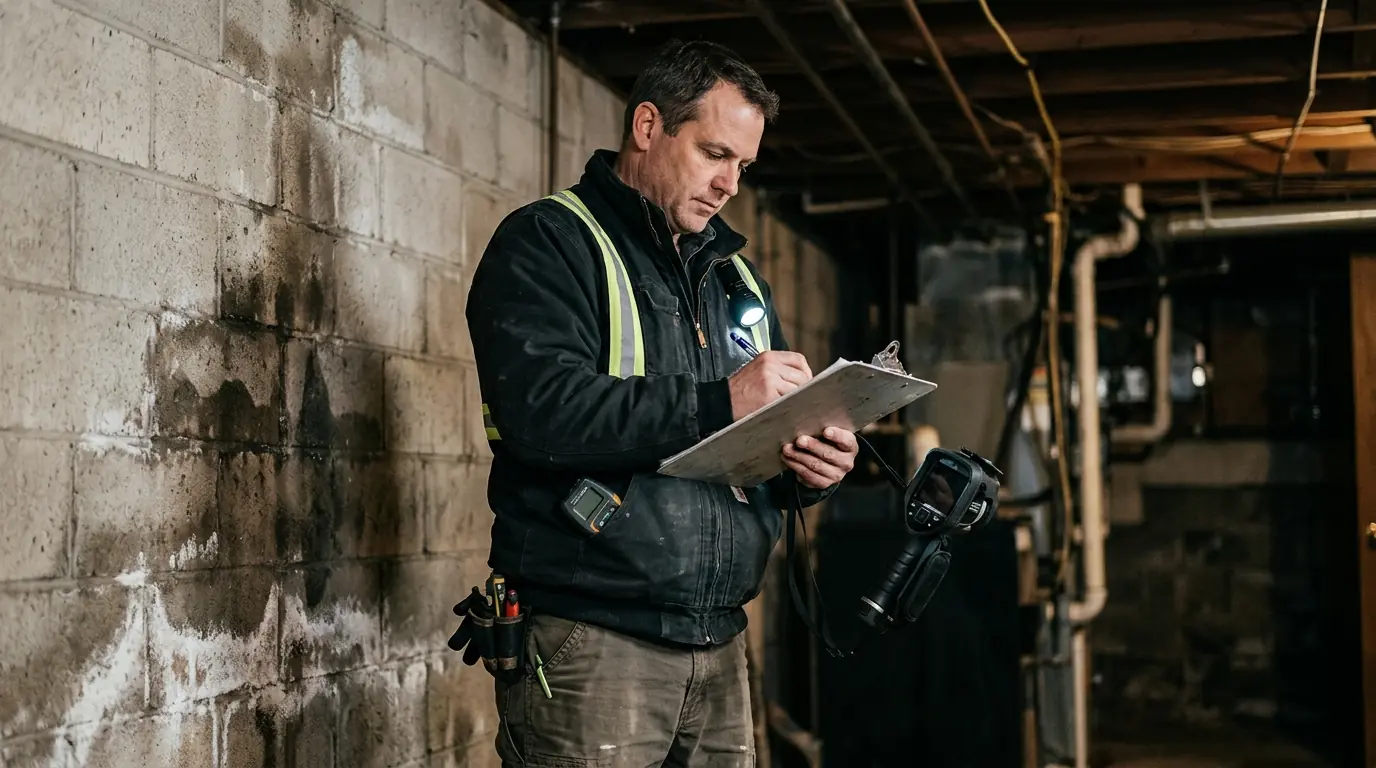
Start hereInspections answer where mold is and why. We read every level with meters and a thermal camera, look inside cavities with a borescope, and trace the water to its source. Some inspections are shaped by who needs them: buyers inside a contingency, tenants and landlords, commercial managers, or anyone dealing with a leak or flood that just happened.
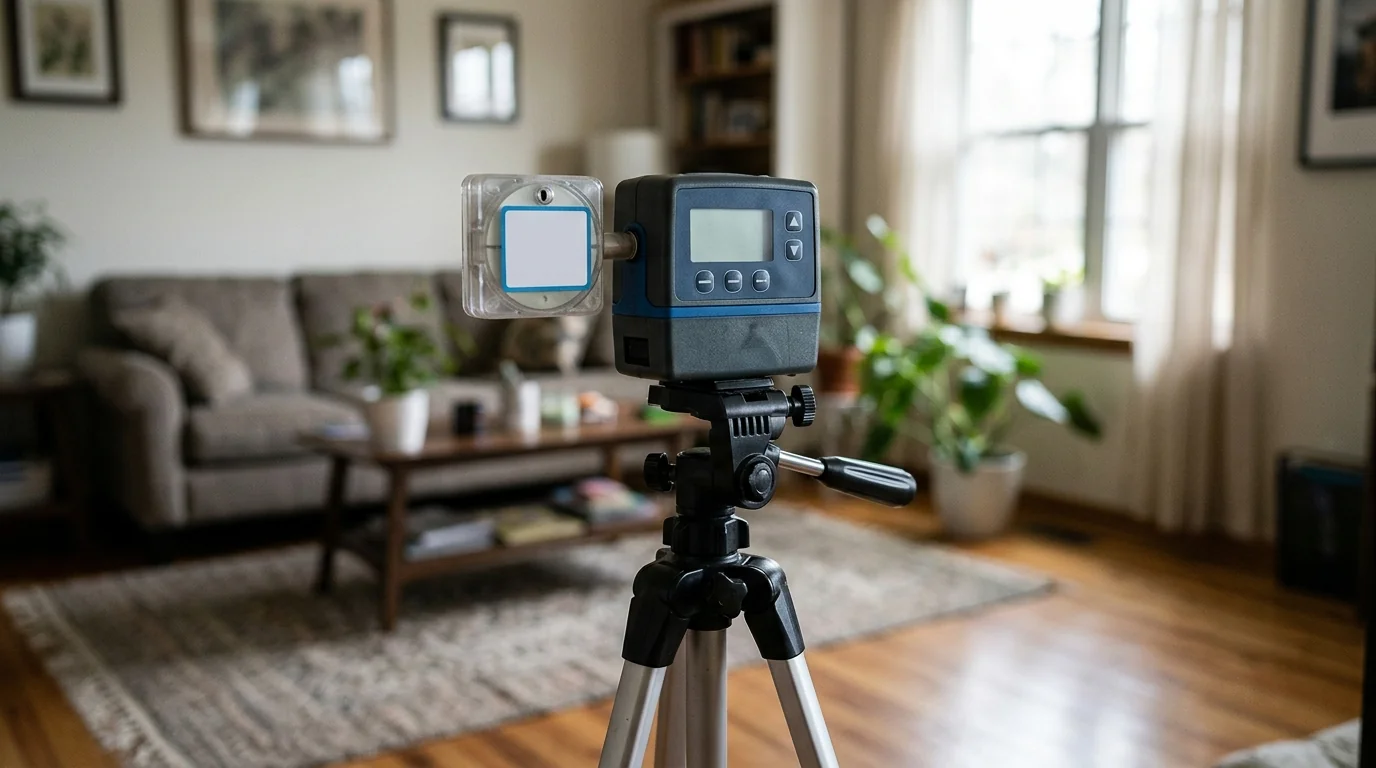
Testing answers what and how much. Air, surface, bulk and dust samples go to an outside lab, and every air sample is compared with outdoor air taken the same day. Air quality readings cover humidity, ventilation, VOCs and particles. Clearance testing checks finished work, and a written protocol turns findings into a scope any crew can follow.
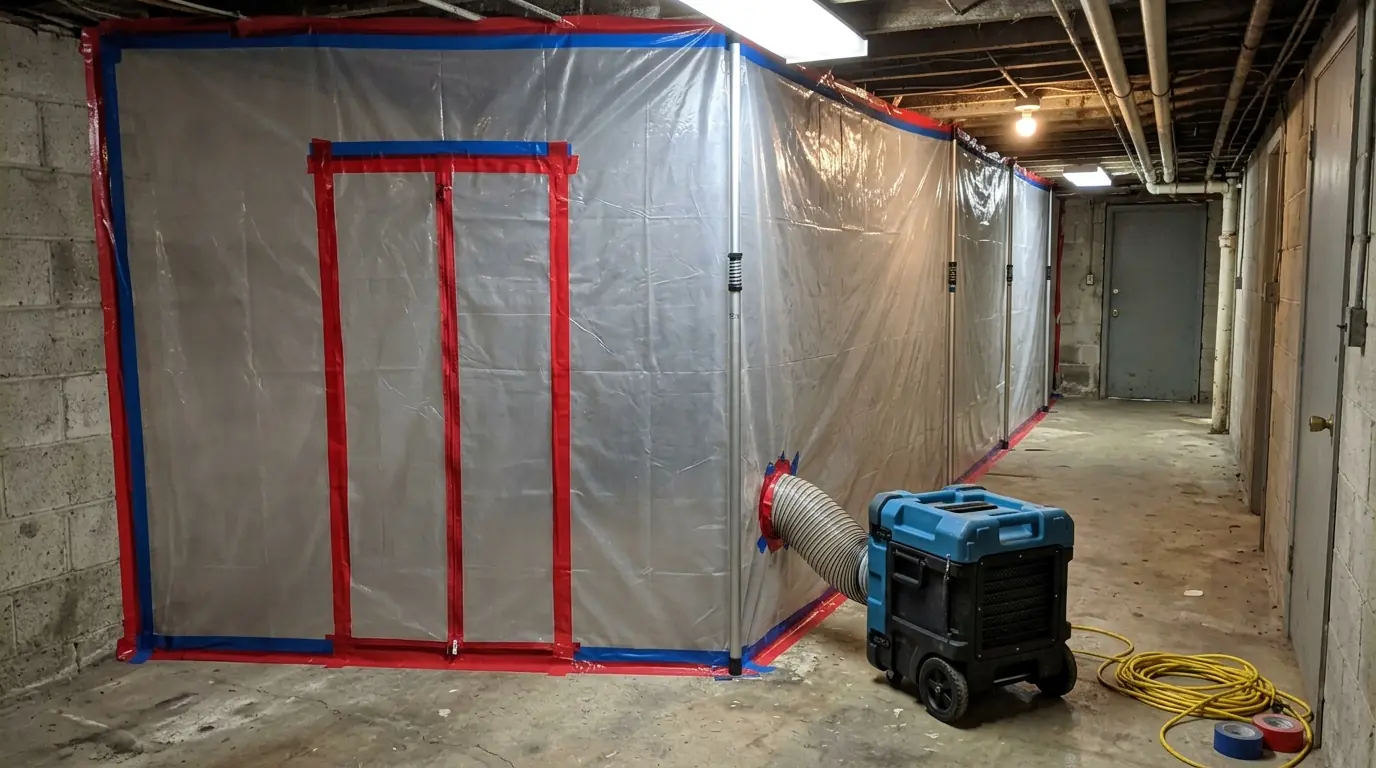
Removal is contained work: plastic barriers, negative air, HEPA cleaning and drying, room by room. The pages below cover the areas where mold grows most often, from basements and attics to kitchens and bathrooms, plus HVAC systems, commercial buildings and the belongings stored in affected rooms.
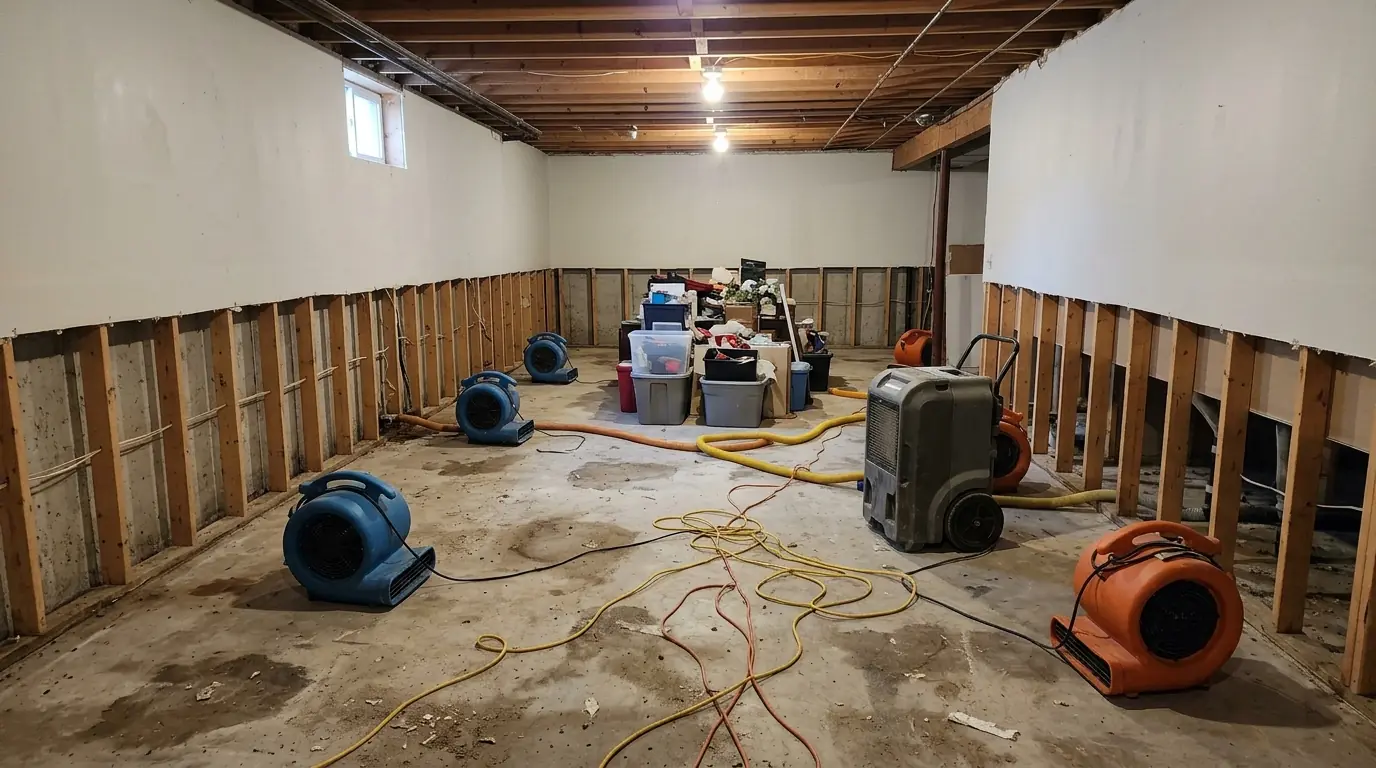
The first days after water gets in decide whether a house needs drying or mold removal. These jobs extract the water, remove what the water ruined, disinfect when the water was contaminated, and dry the structure with readings until it is back to normal.
Mold comes back when the moisture does. These are the fixes that keep a cleaned space dry: dehumidifiers that drain themselves, sealed crawl spaces, bath fans vented outside, attic airflow corrections, and coatings applied to clean, dry wood.
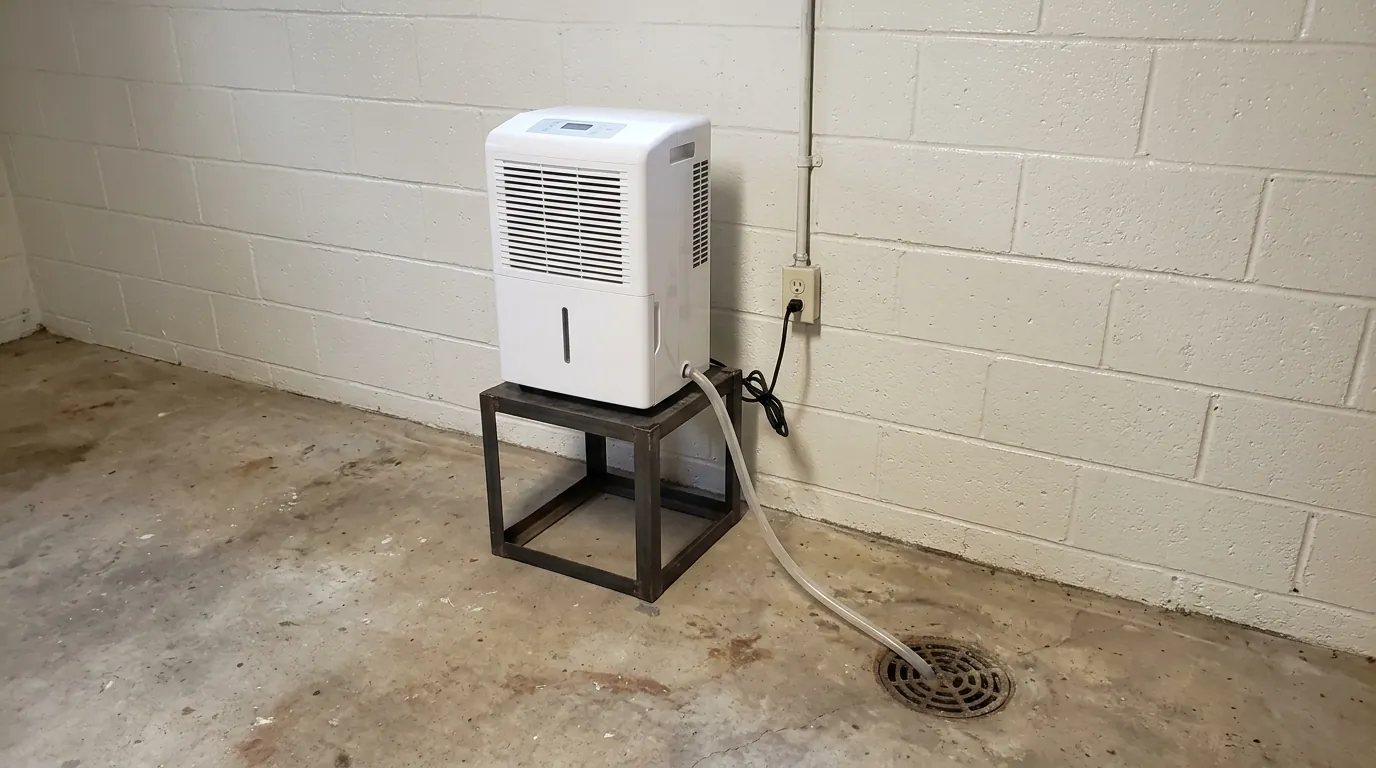
Every job starts with the water. Mold removed without fixing the source comes back.
Lab work is added when a result would change the plan, not by default.
Barriers and negative air keep spores in the work area and out of the rest of the house.
Readings and clearance come before any wall is closed up again.
Yes. We inspect, test, remove and fix the moisture. If you want the inspection kept separate, we write a protocol any crew can follow.
If water is actively getting in, start with drying. Otherwise an inspection is usually the first step.
Yes. We handle single-family homes, multi-unit buildings, condos and commercial spaces.
Yes. The inspector line is answered 24 hours a day, 7 days a week.
Yes. The areas we serve page explains which counties and cities we visit.
Call the inspector line and describe it. We will tell you which of these services fits and what the first visit involves.
Map of our Newark service office on Johnson St