Updated September 2026
An apartment or condo mold inspection in Newark, NJ documents growth and moisture unit by unit, traces the water to its source, whether a leak from the unit above, a roof, a riser or condensation, and puts every finding against a photo and a location. Tenants, landlords and associations get the same facts in writing.
What makes a multi-unit inspection different
In a single-family house the owner fixes the problem. In an apartment or condo, someone has to decide who owns it: the tenant who reported it, the landlord, the owner upstairs or the association. That decision rests on where the water came from.
So we trace the source across units and common spaces, not just the room with the spots. The report states what we found and where, without taking sides, so it holds up whoever reads it.
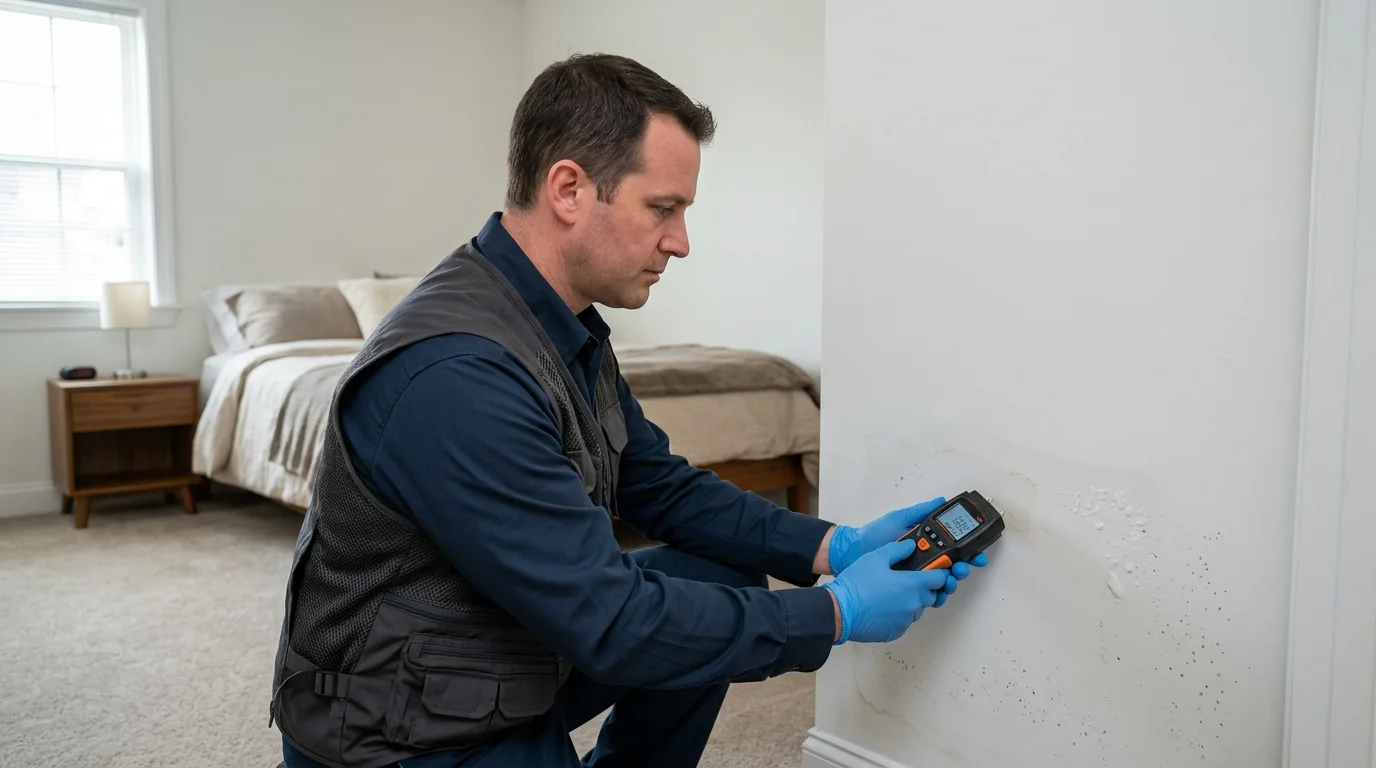
What an apartment inspection costs
HomeGuide puts a mold inspection at about $300 to $650 for an average home. For apartments and condos, these change the price:
- Number of unitsEach unit is inspected and documented.
- Access to other unitsTracing a leak upstairs takes coordination.
- Common areasBasements and hallways add inspection time.
- SamplesAdded only where proof of hidden growth matters.
- Report audienceBoard or legal use needs more detail.
- SchedulingOccupied buildings may need several visits.
Planning ranges, not a quote. Sources: homeguide.com.
Tenant complaint documentation
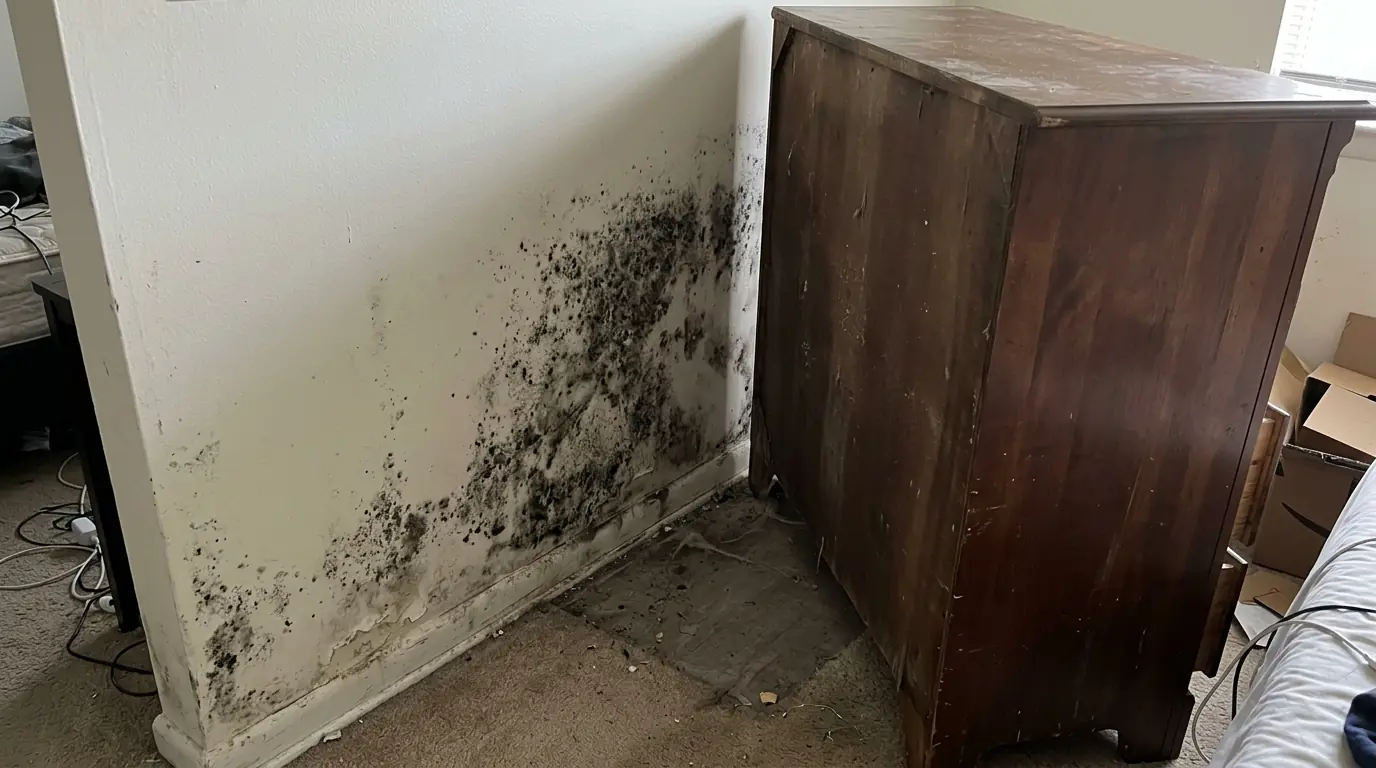
Tenants usually call after a landlord has not acted or has painted over the problem. We photograph the growth, take readings, check the likely sources in and around the unit and record the dates. The report describes conditions, not blame, and it includes what should be fixed. Many tenants share it with the landlord, a housing inspector or a lawyer. If samples would help prove hidden growth, we explain the cost first and let you decide whether to add them.
Landlord unit turnover
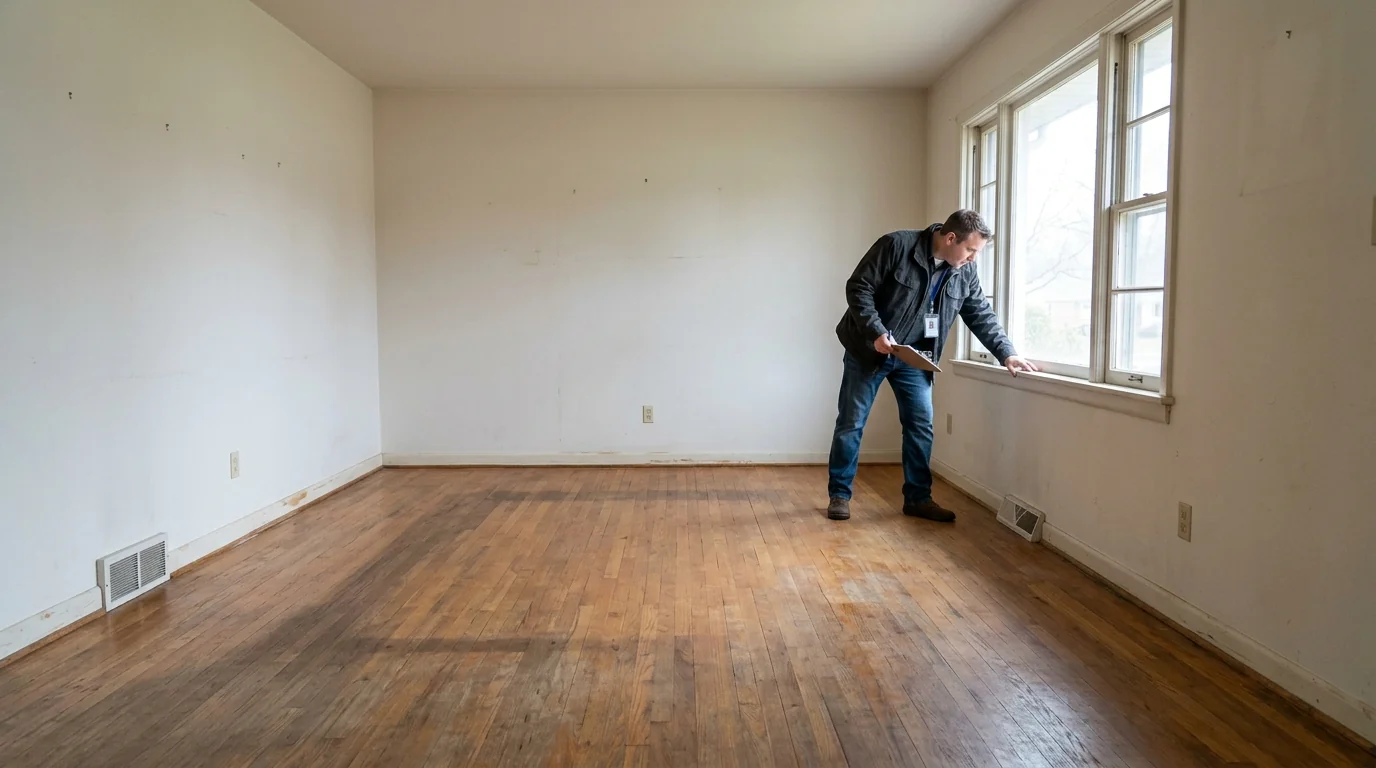
Between tenants is the cheapest time to find and fix mold. We inspect the empty unit, check the bathroom fan, the kitchen sink wall, window sills, closets on outside walls and the ceiling under anything above. The report gives landlords a record of the unit's condition before the next lease, which protects both sides later. Where fixes are needed, the scope separates quick cleaning from work that needs a contractor, so the unit is not off the market longer than necessary.
Leak from the unit above
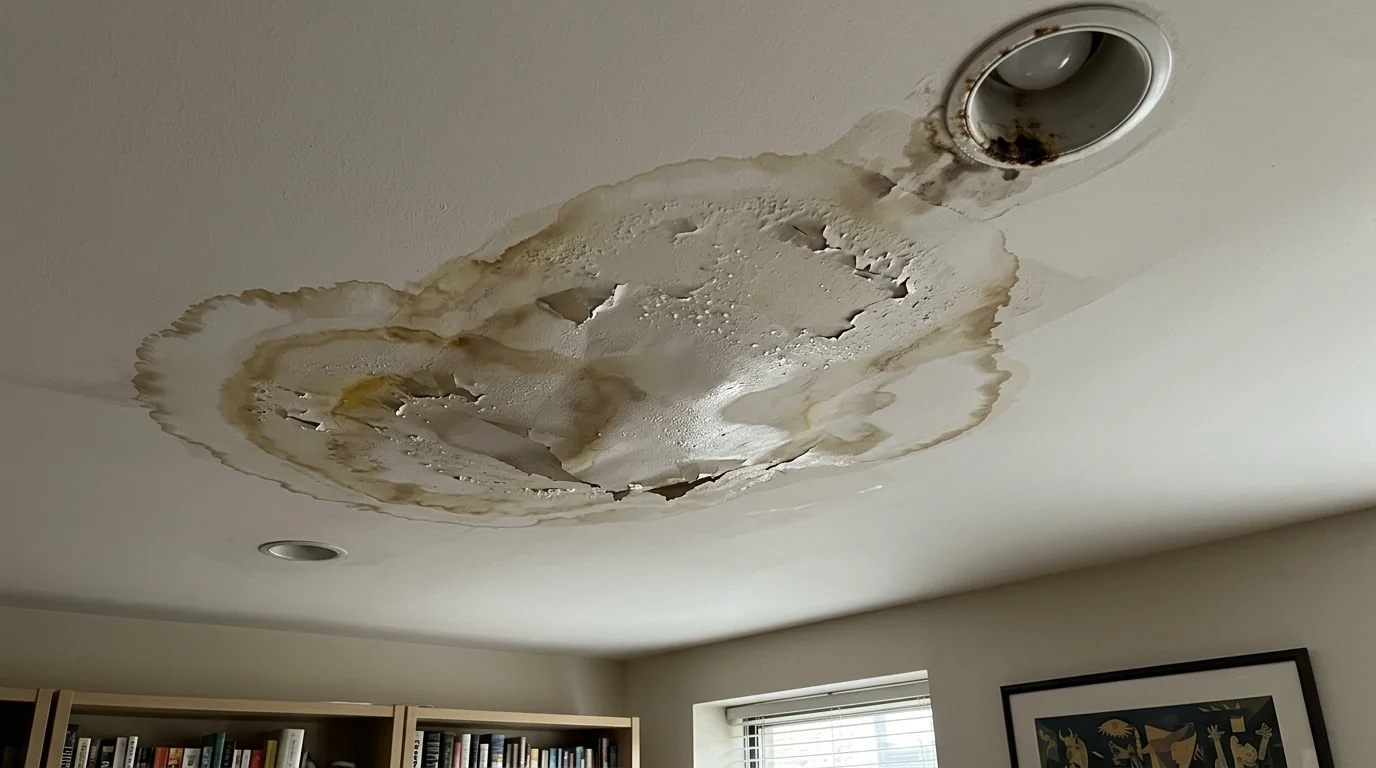
Ceiling stains and wall mold from an upstairs leak are the most common condo dispute. We read the ceiling and walls below, map the wet area, and with access, check the unit above for the likely source: a toilet seal, tub drain, washing machine or radiator valve. Thermal images help show the water path. The report names the probable source and the affected area in each unit, which is what insurers and associations need to decide who pays for the repair and the cleanup.
Common areas and basements
Shared basements, laundry rooms, storage cages and hallways belong to everyone and often get checked by no one. We inspect these spaces, the boiler room and the roof-to-wall joints, and note which findings affect individual units. For associations, the report separates common-element problems from unit problems, matching how most budgets and bylaws divide the cost. Management gets a clear list of what to fix first and what can be scheduled for later in the year, with photos to show the board.
How a multi-unit inspection runs
Call with the situation
Tenant, landlord, owner or board.
Arrange access
Units, common areas and the unit above.
Inspect and read
Meters, thermal imaging and photos.
Trace the source
Across units and shared spaces.
Sample if needed
Only where it changes the answer.
Write it neutrally
Findings by unit and common area.
Share the report
With whoever you choose to send it to.
What the apartment report contains
- Photos of each finding, labeled by unit and room
- Moisture readings with material and location
- The likely water source and its location
- Which findings are in units versus common areas
- Dates of the inspection and any prior repairs noted
- Lab results, when samples were taken
- A scope of recommended fixes, in plain language
A city of renters
About 77 percent of Newark dwellings are rentals, so a large share of the mold we document here sits between a tenant and an owner. A bill introduced in Trenton in January 2026, the Mold Safe Housing Act, would require rental units to be inspected for mold at a change of occupancy if it passes. For Newark landlords, a turnover inspection now creates the kind of record that rule would ask for.
Scheduling in an occupied building
Most single units take a few hours. Buildings with several units or shared spaces take longer, and occupied units need notice and access arranged, so allow a few days to schedule.
The written report follows the visit, after lab results if samples were taken.
Tenant, landlord and condo questions
Yes. We inspect for tenants, landlords, owners and associations alike.
It says where the water comes from and what it affected. Responsibility follows from the lease or bylaws.
It helps a great deal when tracing a leak. Without it, we report what we can see from below.
A bill introduced in January 2026 would require them at a change of occupancy. It is not law unless it passes.
Yes. Removal and repairs can follow, or the scope can go to any contractor the owner chooses.