Updated September 2026
Black mold testing in Newark, NJ means sampling dark growth with a tape lift, swab or small piece of material and having a lab identify it under a microscope. Many dark molds are common species; Stachybotrys and Chaetomium point to long-term water damage. Angi puts a typical mold test at about $250 to $500, depending on the number of samples.
What people mean by black mold
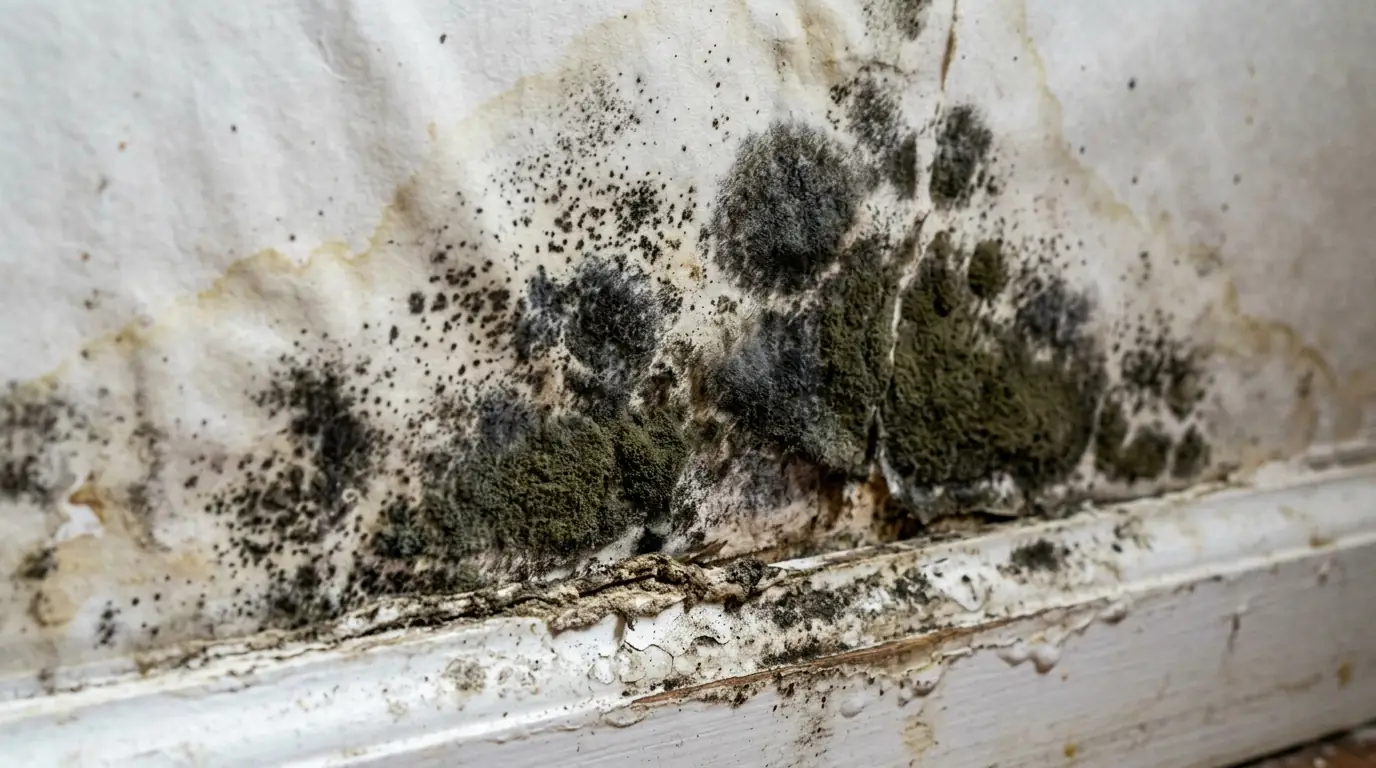
Black mold usually means Stachybotrys chartarum, a slow-growing mold that needs material to stay wet for a long time, like drywall after a leak that was never fixed. But plenty of common molds are dark green, gray or black, and they grow on bathroom ceilings and window sills in any house.
Knowing the species tells you something about the history of the water. It does not change the basic fix, which is removal and drying either way, but it can matter for a landlord, buyer or insurer.
What black mold testing costs
Angi puts a typical mold test at about $250 to $500, and HomeGuide puts individual samples at $50 to $350 each. What moves the price:
- Number of samplesEach spot sampled is analyzed separately.
- Sample typeBulk and culture cost more than tape lifts.
- Lab turnaroundFaster results cost more.
- Paired air samplesAdded when air exposure matters.
- InspectionFinding the water source is a separate step.
- Report detailDispute or sale reports take longer.
Planning ranges, not a quote. Sources: angi.com, homeguide.com.
Which test identifies dark growth
The sample type depends on what you need to prove.
| Tape lift or swab | Bulk sample | Culture | |
|---|---|---|---|
| Identifies | Genus, quickly | Genus in the material | Living mold, sometimes species |
| Speed | Fast | Fast | Slower |
| Suits | Visible dark spots | Clean-or-remove decisions | Disputes needing species |
| Damage | None | Small cut-out | None |
Stachybotrys identification
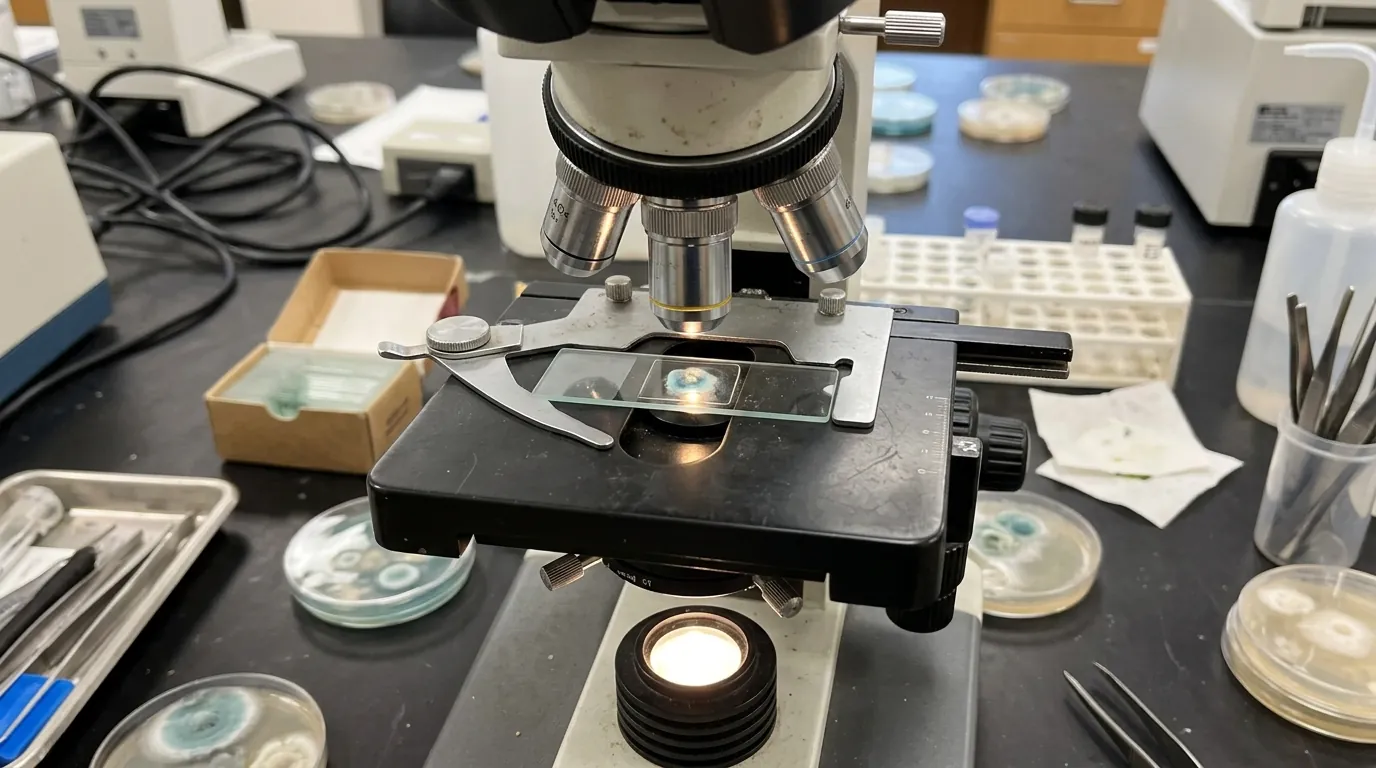
Stachybotrys grows on wet cellulose: drywall paper, ceiling tiles, cardboard and wood that has stayed wet for weeks. It often looks slimy when wet and sooty when dry. A lab confirms it by spore shape under a microscope. Finding it tells us the water problem has been going on for a while, which is useful when working out whether a leak was sudden or long-term, which matters to insurers. Removal follows the same contained process as any other growth on porous materials.
Chaetomium and other dark molds
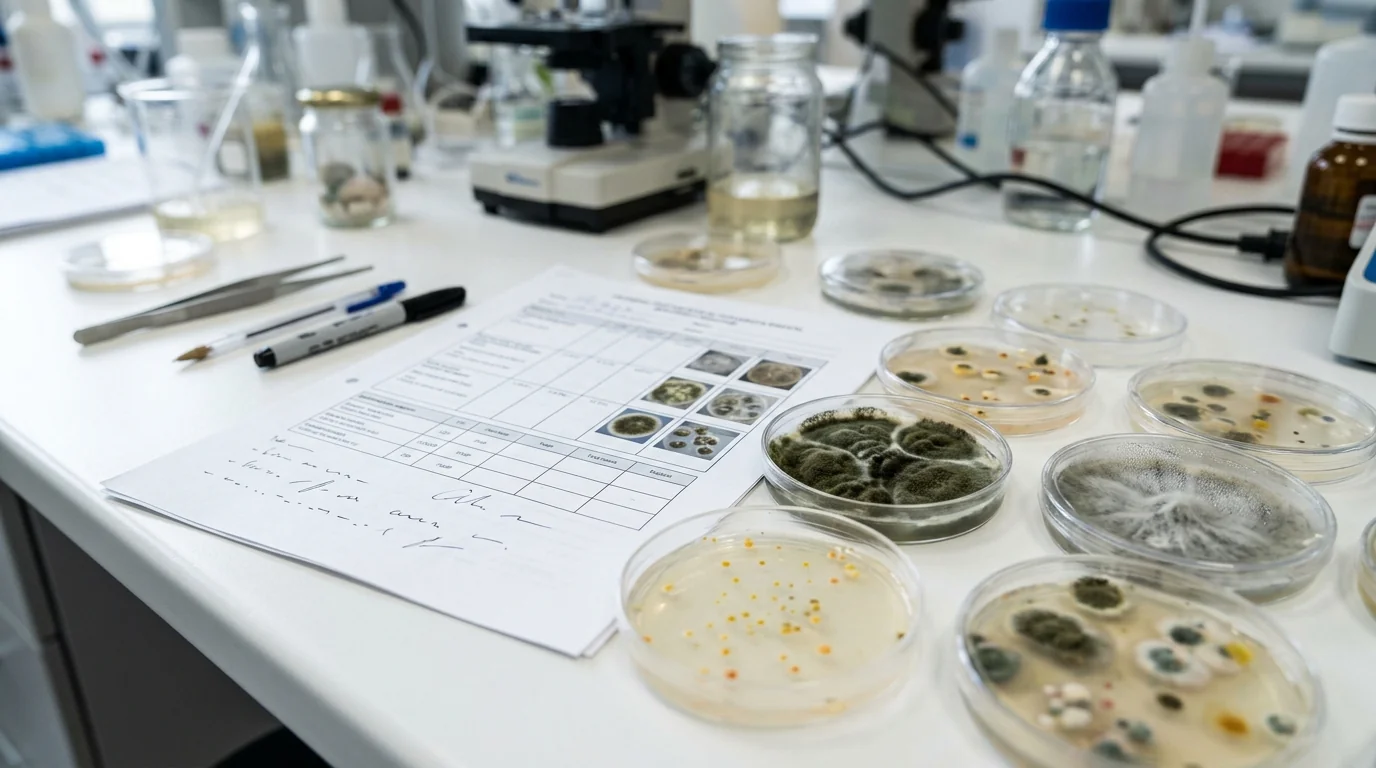
Chaetomium is another long-term water indicator, often found on wet drywall and wood alongside Stachybotrys. Other common dark molds, such as Cladosporium and Alternaria, grow outdoors and on damp surfaces indoors much more readily. The lab report names each genus found. We explain which ones point to a lasting water problem and which are ordinary indoor growth from humidity, so the report is useful rather than alarming, and so nobody tears out a wall over a common species that a cleaning would handle.
Direct exam versus culture
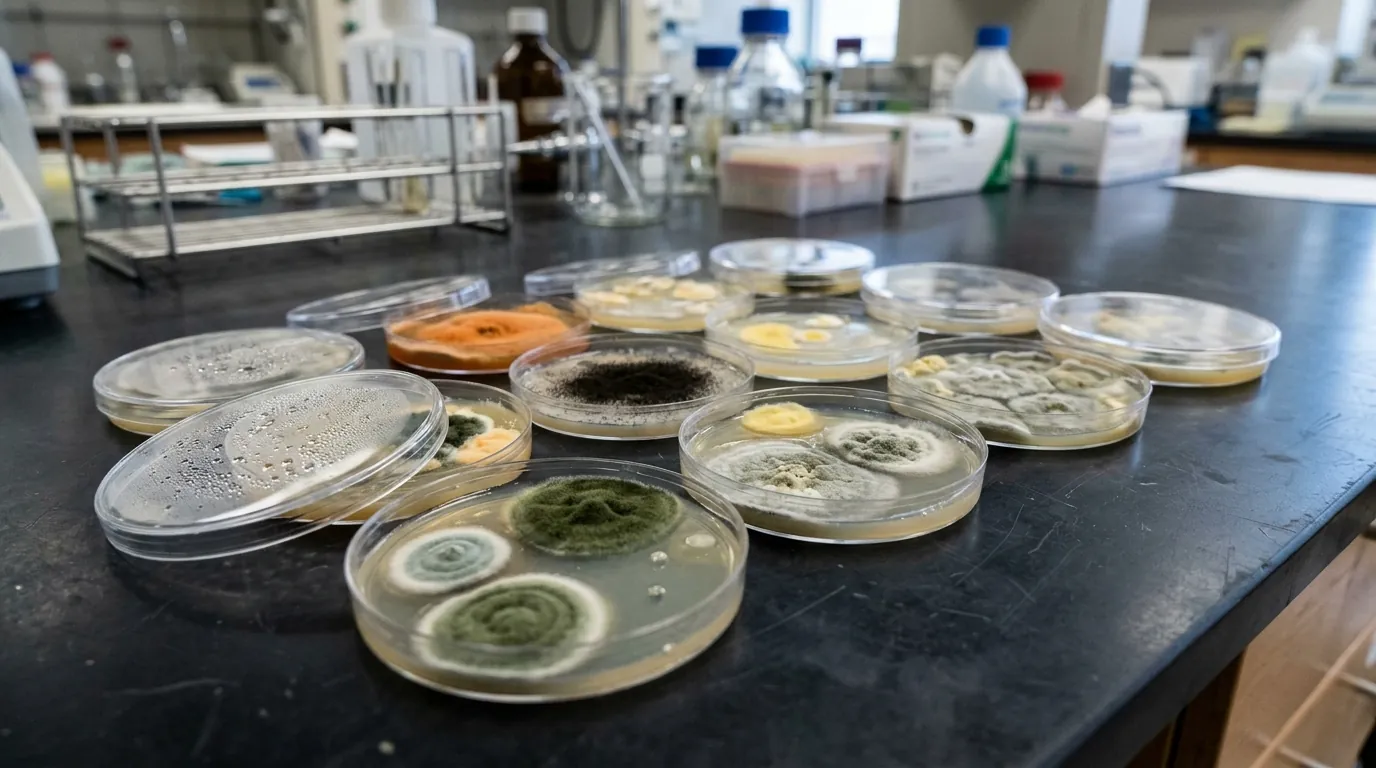
Most identification is done by direct microscopic exam of a tape lift or swab, which is quick and names the genus. A culture grows the sample on a dish to identify living mold, sometimes to species level, but it takes longer and misses dead spores. We usually recommend direct exam, and add culture only when someone needs a species name or proof that the growth is active. You will know which one you are paying for before we sample, and why we chose it.
How the sampling works
Look at the growth
Where it is and what it grows on.
Choose the sample
Tape, swab, bulk or culture.
Collect carefully
Without spreading the growth.
Label and log
Location, material and time.
Send to the lab
With chain of custody.
Read the results
Genus, and species if cultured.
Explain what it means
Water history and next steps.
Flooded basements in Clifton and nearby
During Ida, Clifton streets turned into rivers and basements flooded across the city. Finished basements in Clifton that took water then and were dried slowly, or not at all behind the paneling, are exactly where long-term water molds like Stachybotrys turn up years later. When a dark growth shows up on basement drywall there, we sample it and check the wall cavity behind it before anyone assumes it is just surface mildew.
How long identification takes
Collecting the samples takes minutes once we are on site. Direct exam results usually come back within a few days, depending on the lab; cultures take longer because the mold has to grow.
We give you the expected date when the samples are sent.
Black mold questions
No. Many dark molds are common. Stachybotrys and a few others are the ones associated with long-term water damage.
Not always. Removal is the same either way. Testing helps when someone needs documentation.
Home kits can show mold is present but rarely identify it reliably. A lab exam of a proper sample does.
If growth is heavy, keep the door closed and do not disturb it until it is dealt with.
We find the water source and plan contained removal of the affected materials.