Updated September 2026
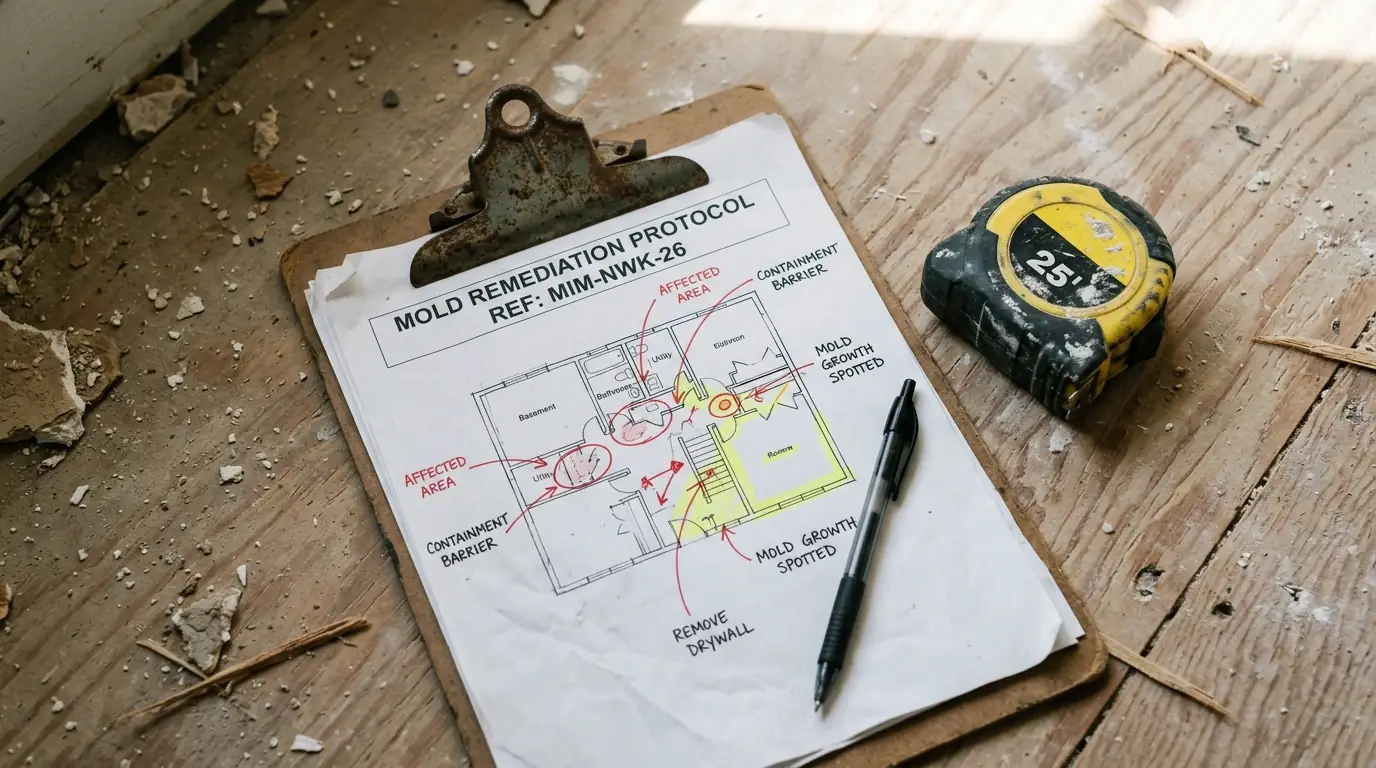
A mold remediation protocol in Newark, NJ is a written document, based on an inspection, that lists each area to be remediated, the materials to remove, the containment and air handling required, the cleaning method and the clearance criteria. Owners use it to get comparable bids, and landlords, associations and insurers use it to check the work.
Why a written protocol helps
Without a written scope, three remediation bids can describe three different jobs, and there is no way to check whether the finished work matches what was needed. A protocol fixes that. Every bidder prices the same work, and the clearance criteria are agreed before anyone starts.
It also separates the person who defines the job from the person paid to do it, which matters in disputes, insurance claims and multi-unit buildings.
What a protocol costs
A protocol is priced by the size and complexity of the job it describes, usually on top of the inspection it is based on. What decides the cost:
- Number of areasEach area needs its own scope.
- Building typeMulti-unit and commercial need more detail.
- Inspection dataAn existing inspection shortens the work.
- Containment complexityOccupied spaces need tighter specs.
- Clearance designSampling plans for each area.
- RevisionsUpdates after bids or new findings.
Protocol only, or protocol plus our removal
Some owners want an independent document; others want one company to handle both.
| Protocol only | Protocol plus our removal | |
|---|---|---|
| Who removes | Any crew you choose | Us |
| Bids | Comparable across contractors | One quote from us |
| Clearance | Independent check | Arranged with the job |
| Suits | Insurers, boards, disputes | Homeowners who want one call |
Scope of work
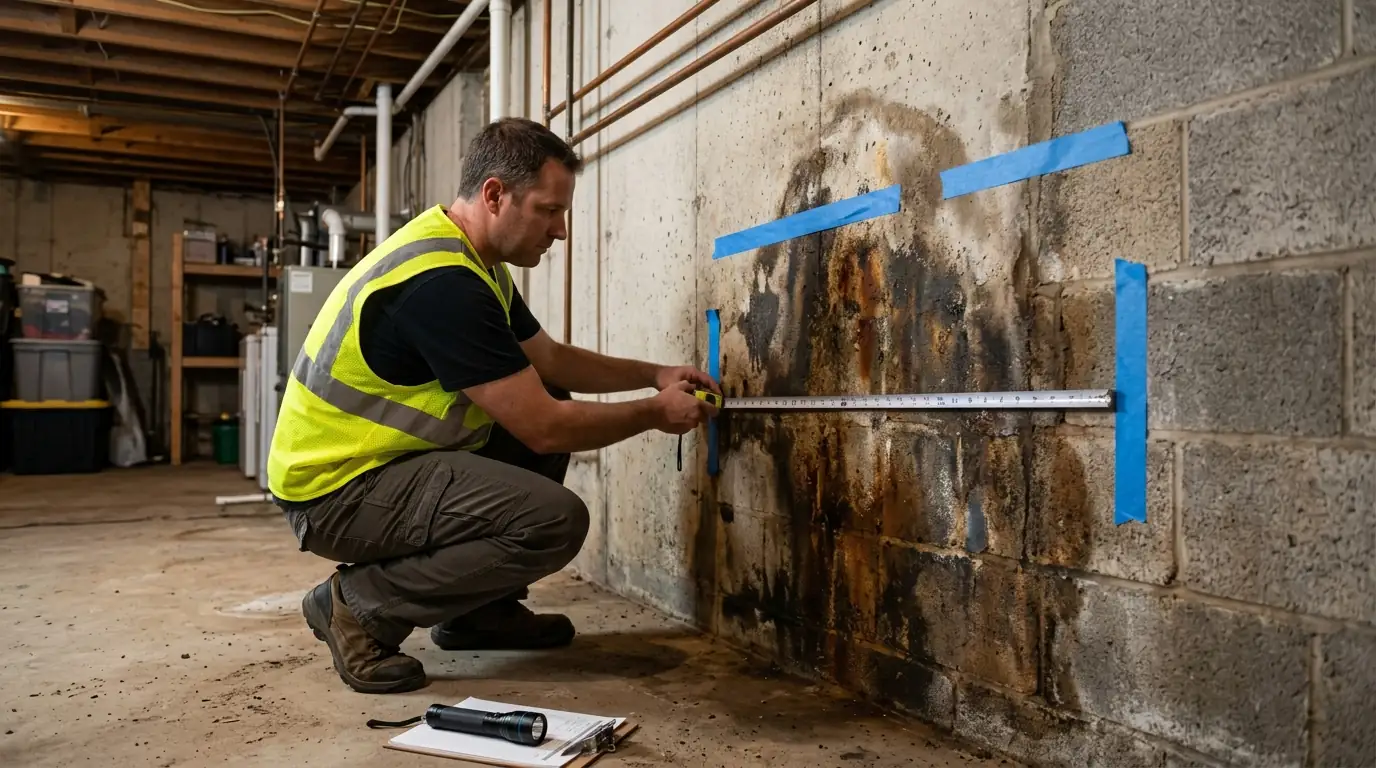
The scope lists each affected area with its location, size and the materials involved, and says what happens to each: remove, clean, or clean and treat. It notes moisture sources that must be fixed before rebuild, and anything outside the remediator's job, like plumbing repairs or roof work. Measurements come from the inspection, so bidders are not guessing. Where the extent behind a wall is uncertain, the protocol says how far to open and what to do if more is found.
Containment specification
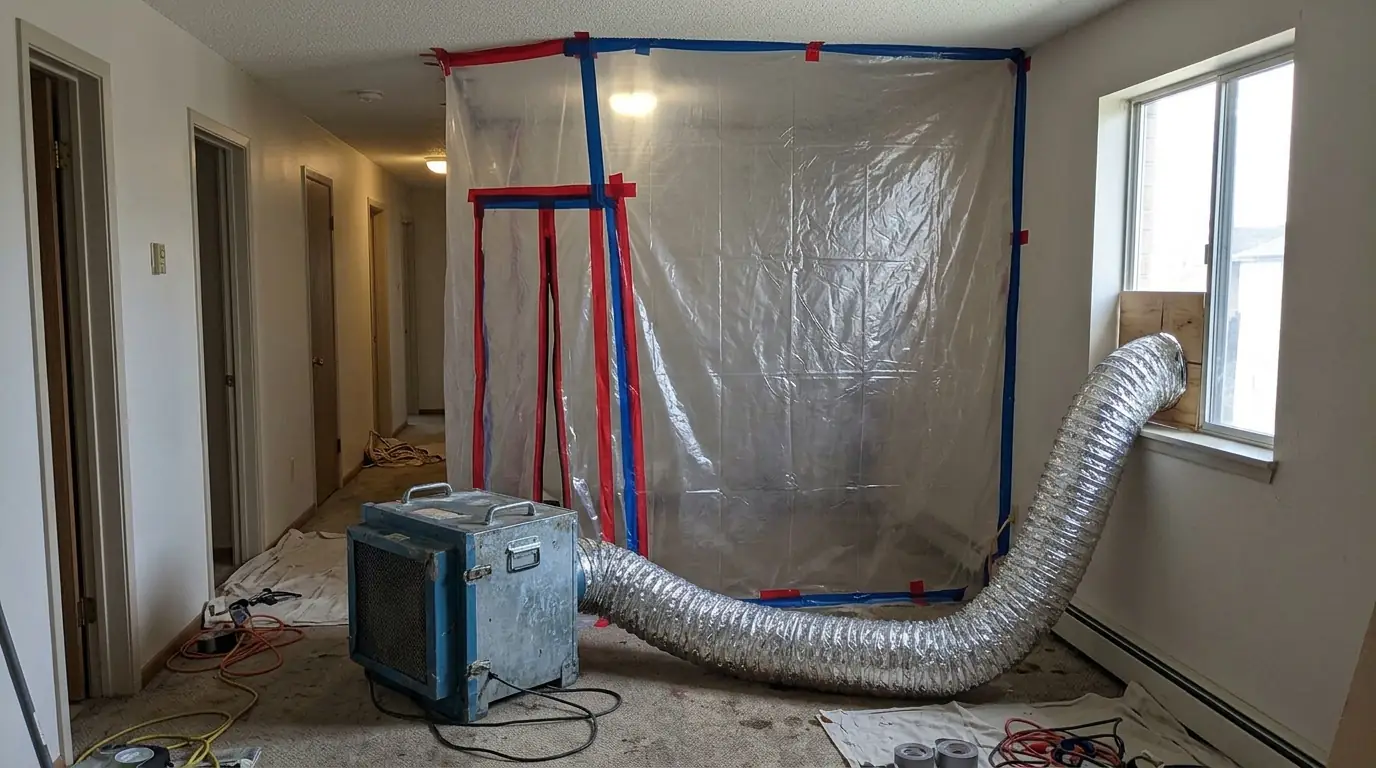
Containment depends on the size of the work and the building around it. The protocol specifies the barrier, the entry setup, how many air scrubbers and where the exhaust goes, and how HVAC registers and returns in the area are sealed. For occupied homes and multi-unit buildings, it states how the work zone is kept separate from living space. These details are what keep a small job small and stop spores from being carried on clothing and air into clean rooms.
Clearance criteria
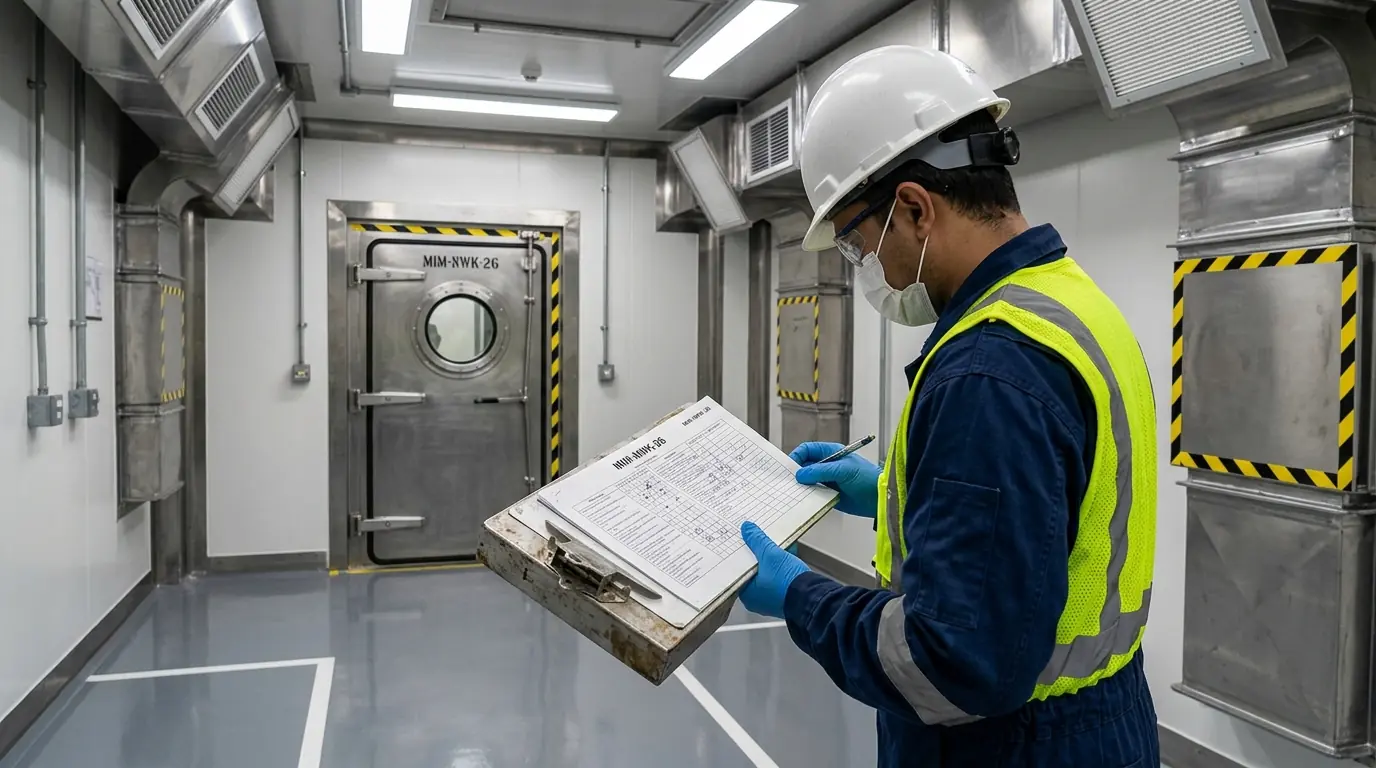
The protocol states what the area must pass before containment comes down: no visible mold or dust, materials dry on the meter, and air or surface results comparable to the outdoor control. Agreeing on these criteria in advance prevents arguments at the end of the job. It also says who does the clearance, ideally someone independent of the removal crew, and what happens if the area fails the first time, so the retest is not a surprise to the owner or the crew.
How a protocol is prepared
Inspect or review
Our inspection, or yours reviewed.
Map the areas
Locations, sizes and materials.
Write the scope
Remove, clean or treat, per area.
Specify containment
Barriers, negative air, HVAC isolation.
Set clearance criteria
What passing looks like.
Review with you
Questions answered before bidding.
Support the job
Answer contractor questions, then clear it.
What goes into a protocol
- Each affected area, located and measured
- Materials to remove, clean or treat, per area
- Containment and negative air requirements
- HVAC isolation during the work
- Cleaning methods and waste handling
- Moisture repairs required before rebuild
- Clearance criteria and who performs clearance
Rental rules and written standards in New Jersey
Assembly Bill A1607, the Mold Safe Housing Act introduced in January 2026, would require New Jersey rental units to be inspected for mold at a change of occupancy, and bills to create a state certification for mold inspectors have been introduced in several sessions. Either way, written scopes and clearance records are what landlords and associations in New Jersey will need to show the work was done properly.
Protocol questions
You can, but each quote may describe a different job. A protocol makes bids comparable.
Yes. Some owners prefer an independent document; others want one company to do both.
Adjusters generally find a written scope with measurements and clearance criteria easier to review.
Usually a few days after the inspection, longer for large or multi-unit buildings.
The protocol says how far to open and when to stop and call us before going further.